Unlock the Secrets of Youth: The Complete Guide to Supplements for Combating Aging
The search for youthful vitality has prompted many to investigate the role of supplements in fighting aging. With various nutrients claiming to support skin health, energy levels, and cognitive function, individuals often become overwhelmed. Understanding which supplements are really effective can make an important distinction. This guide offers insights into essential nutrients, helping to navigate the intricacies of aging and wellness. What key ingredients might prove crucial for maintaining youthfulness?
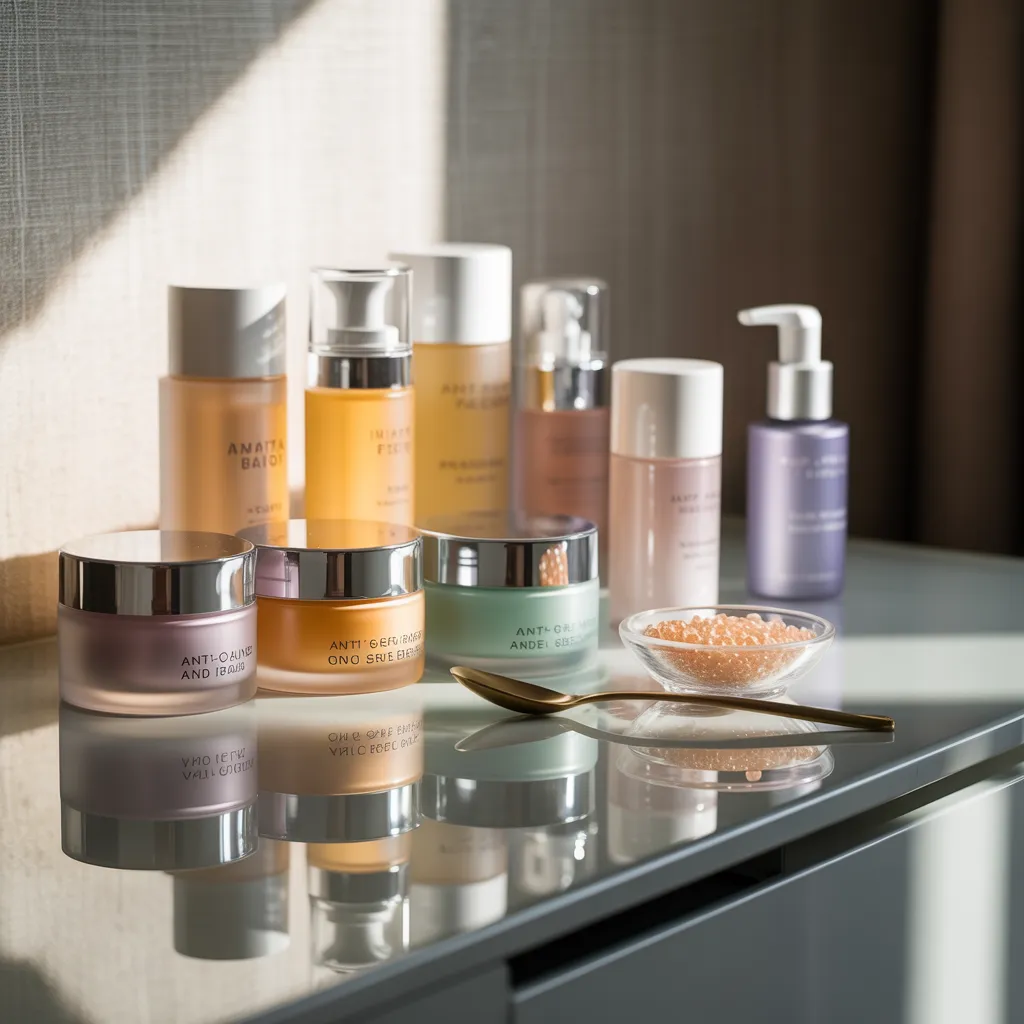
Comprehending the Aging Process: How Supplements Can Support
With advancing age, their bodies experience various physiological changes that can impact overall health and well-being. These changes include diminished collagen production, lowered bone density, and decreased muscle mass, all of which contribute to the aging process. Additionally, the body's capability to absorb essential nutrients may reduce, causing deficiencies that can also exacerbate health issues.
Supplements can serve as a significant tool in managing these age-related challenges. For example, vitamins like B12 and D, combined with minerals like calcium and magnesium, can enhance bone health and energy levels. Antioxidants, including vitamins C and E, may help combat oxidative stress, a contributing factor to cellular aging. Additionally, omega-3 fatty acids can encourage cardiovascular health and cognitive function. By integrating targeted supplements, individuals can potentially elevate their overall vitality, support their body's natural processes, and lessen some effects of aging.
Critical Nutrients for Youthful Skin and Hair
Maintaining age-defying skin and vibrant hair is a widespread desire among aging individuals, and specific nutrients play a crucial role in attaining this aim. Critical nutrients that support skin and hair health include vitamins, minerals, and fatty acids. Vitamin C is essential for collagen production, which helps maintain skin elasticity. Furthermore, vitamin E functions as an antioxidant, safeguarding skin cells from damage caused by free radicals.
Biotin, a B vitamin, is essential for hair strength and growth, while zinc supports the restoration of skin tissue and regulates oil production. Omega-3 fatty acids, found in fish oil, nourish the skin, promoting hydration and reducing inflammation. Moreover, antioxidants like coenzyme Q10 can fight oxidative stress, leading to a more youthful appearance. Adding these nutrients through food intake or supplements can remarkably increase skin and hair vitality, making them essential components of the pursuit of a youthful aesthetic.
Energy and Vitality Boosting Supplements
Though aging frequently brings a decline in energy levels, particular supplements can significantly enhance vigor and overall well-being. One leading option is Coenzyme Q10 (CoQ10), a powerful antioxidant that supports cellular energy production. Research suggests that CoQ10 may alleviate fatigue and improve physical performance in older adults.
An additional powerful supplement is Rhodiola Rosea, an adaptogen known for its capacity to fight fatigue and enhance resilience to stress. This herb might boost stamina and mental clarity, making it a valuable addition to an aging individual's regimen.
Moreover, B vitamins, notably B12 and B6, play vital roles in energy metabolism and red blood cell formation. Adding supplementation of these vitamins can help fight deficiencies that often accompany aging.
Last but not least, creatine, typically used by athletes, can also benefit older adults by enhancing energy levels and supporting muscle health, consequently promoting a more active lifestyle.
Enhancing Cognitive Function With Age
The aging process affects not only energy levels but also cognitive function, introducing challenges such as memory decline and reduced mental agility. To combat these cognitive changes, various supplements have emerged as potential aids for supporting brain health. Ingredients like omega-3 fatty acids, particularly DHA and EPA, are acknowledged for their role in supporting neuronal function and may help enhance memory and overall cognitive performance.
Furthermore, phosphatidylserine is another supplement that has attracted attention for its potential to enhance memory and processing speed. Ginkgo biloba, conventionally used for its cognitive benefits, may boost blood flow to the brain, which could assist in maintain mental agility.
Furthermore, B vitamins, especially B12 and folate, play important roles in brain function and mood regulation. By incorporating these supplements into their routine, individuals may identify a way to support cognitive health and keep mental clarity as they age.
The Role of Antioxidants in Fighting Aging
Antioxidants fulfill a vital purpose in combating the effects of aging by counteracting free radicals that can deteriorate cells. Key sources of antioxidants include fruits, vegetables, and certain supplements, which contribute to overall health and longevity. Comprehending their function and dietary sources can help individuals to make knowledgeable selections about aging gracefully.
Antioxidants Made Simple
Combating oxidative stress represents a crucial factor in preserving wellness throughout the aging process. Antioxidants play an essential role in this defense mechanism. These substances counteract free radicals—reactive molecules capable of harming cells and promoting aging. By providing electrons to these free radicals, antioxidants block cellular injury and enhance overall health. As people grow older, their endogenous antioxidant amounts may diminish, causing elevated oxidative stress. This imbalance can accelerate the aging process and heighten the risk of chronic diseases. Including antioxidants in dietary choices or via supplementation can assist in fighting these consequences. Recognizing the significance of antioxidants enables people to adopt preventive measures during their aging experience, promoting stronger, more robust physiques.
Important Sources of Antioxidants
Often overlooked, essential antioxidant providers can greatly impact health and longevity. Antioxidants fight oxidative stress, view details which is a key element in aging. Fruits like blueberries, strawberries, and oranges are abundant in vitamin C and flavonoids, necessary for neutralizing free radicals. In the same way, vegetables such as spinach, kale, and broccoli provide essential antioxidants, including vitamins A and E. Nuts, especially walnuts and almonds, are also excellent sources, providing polyphenols and healthy fats. Furthermore, green tea contains catechins that strengthen the body's defense against oxidative damage. Integrating these foods into one's diet not only supports overall health but also promotes a youthful appearance. Thus, recognizing and consuming these antioxidant-rich foods can perform an essential role in the aging process.
Guidelines for Selecting the Right Supplements for You
Selecting the right supplements for aging requires a careful assessment of personal health needs. Furthermore, it is vital to research the efficacy of ingredients to verify they provide the desired benefits. Speaking with healthcare professionals can further guide well-informed decisions customized to personal health goals.
Assess Your Health Requirements
What's the best way to find the most suitable supplements for their personal health needs? First, it is essential to assess individual health conditions, lifestyle factors, and dietary habits. Seeking guidance from a healthcare professional can provide clarity on specific deficiencies or health concerns. For example, older adults may need additional vitamin D or calcium, while those with elevated stress levels might benefit from adaptogens. Additionally, understanding personal goals, such as better energy or improved cognitive function, can steer supplement selection. Keeping a health journal to track symptoms and dietary intake may also help pinpoint areas needing support. Finally, customized assessment is vital in selecting supplements that effectively address particular health needs and boost overall well-being.
Analyze Ingredient Results
What factors should be considered when evaluating the efficacy of supplement ingredients? Initially, it's important to review the scientific research validating the ingredient's claims. Peer-reviewed studies provide credible evidence of potency, while anecdotal reports may lack trustworthiness. In addition, dosage and bioavailability are vital; an effective ingredient may require a specific amount to be beneficial. Moreover, the source of the ingredient matters—natural extracts versus synthetic variants can yield different results. Third, potential interactions with other supplements or medications should be considered, as they may influence effectiveness. Finally, verifying third-party testing guarantees product quality and purity, reducing the risk of contaminants. By evaluating these factors, individuals can make educated decisions regarding supplements targeting aging.
Connect With Medical Experts
While maneuvering through the challenging landscape of dietary supplements, seeking advice from healthcare professionals can offer essential guidance. These experts can support individuals determine their particular health needs, medical history, and potential interactions with current medications. They possess the knowledge required to recommend supplements that are both effective and safe, customized to each person's unique circumstances. In addition, healthcare professionals can support identifying reputable brands and formulations, guaranteeing quality and efficacy. Regular follow-ups with a doctor or a registered dietitian can also facilitate adjustments to supplement regimens as health needs evolve. Overall, engaging with a healthcare professional not only enhances safety but also enhances the potential benefits of supplements intended to combating the effects of aging.
FAQ
What Are the Side Effects of Anti-Aging Supplements?
Yes, anti-aging supplements may cause side effects, including digestive problems, headaches, and allergic reactions. User responses vary, so it is essential for users to consult healthcare professionals before beginning any new supplement regimen.
How Much Time Before I Notice Results From These Supplements?
Anti-aging supplement results can differ significantly between individuals, commonly emerging within 4 to 12 weeks. Variables impacting this schedule encompass age, general health status, and regular supplement intake, alongside eating patterns and lifestyle selections.
Is It Possible for Supplements to Replace a Healthy Diet?
A healthy diet cannot be replaced by supplements. The essential nutrients and benefits of a balanced diet are not achievable through supplements alone. Complete dependence on supplements can lead to nutritional gaps and compromised health.
What Age Is Best to Start Taking Anti-Aging Supplements?
Experts generally recommend considering anti-aging supplements in one's late 30s to early 40s, as natural aging processes start to intensify. Consulting with a healthcare professional beforehand is recommended for customized guidance and safe use.
Are There Particular Brands Recommended for Anti-Aging Supplements?
Numerous reputable brands are recommended for aging supplements, including Life Extension, Garden of Life, and Thorne Research. These manufacturers are renowned for their superior ingredients and transparency, attracting those seeking effective anti-aging options.