Uncover Youth's Hidden Secrets: The Comprehensive Guide to Age-Defying Supplements
The search for youthful vitality has prompted many to investigate the role of supplements in fighting aging. With many nutrients claiming to enhance skin health, energy levels, and cognitive function, individuals often feel overwhelmed. Understanding which supplements are actually effective can make a meaningful difference. This guide presents insights into essential nutrients, helping to navigate the challenges of aging and wellness. What key ingredients might be the secret to maintaining youthfulness?
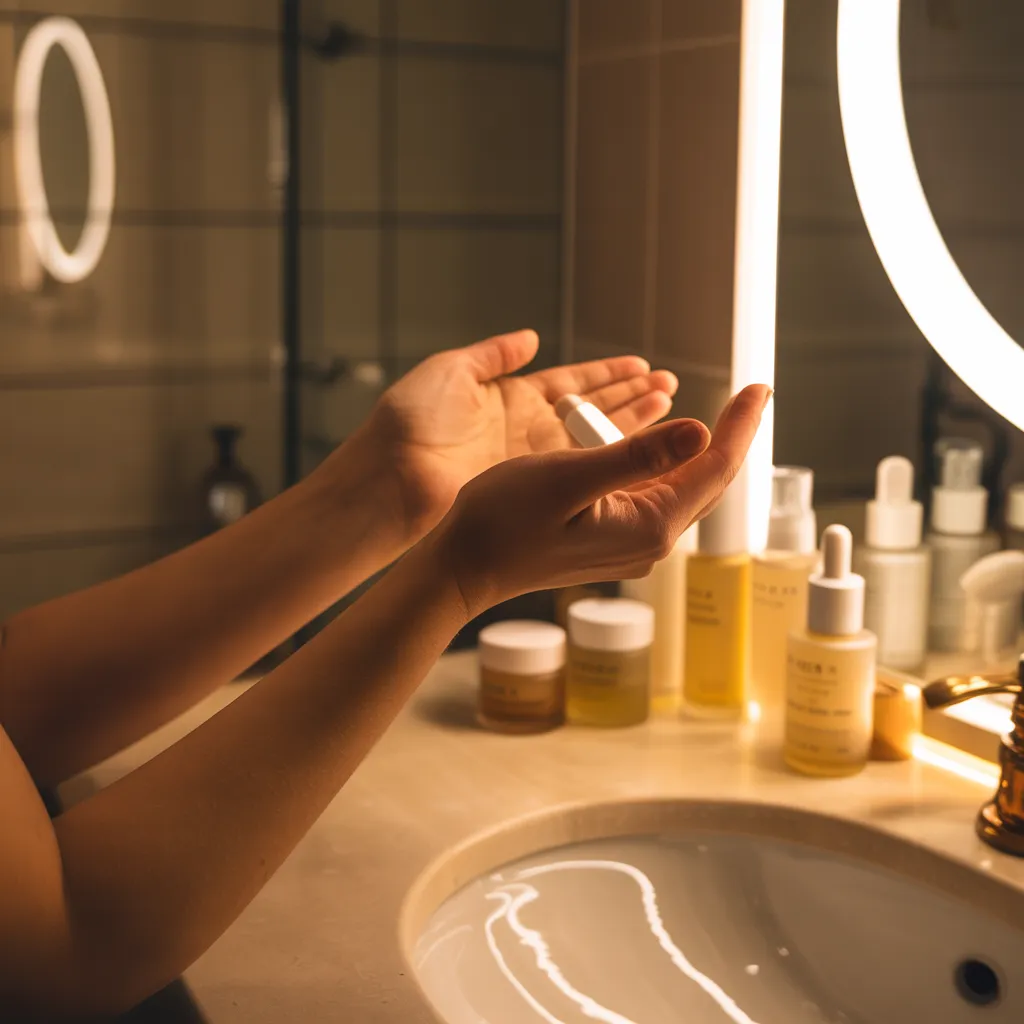
Grasping the Aging Process: How Supplements Can Assist
With advancing age, their bodies go through various physiological changes that can influence overall health and well-being. These changes include decreased collagen production, lowered bone density, and decreased muscle mass, all of which factor into the aging process. Furthermore, the body's ability to absorb essential nutrients may diminish, leading to deficiencies that can further exacerbate health issues.
Dietary supplements can function as an important instrument in handling these age-related challenges. For instance, vitamins like B12 and D, along with minerals such as calcium and magnesium, can support bone health and energy levels. Antioxidants, like vitamins C and E, may help combat oxidative stress, a factor contributing to cellular aging. Moreover, omega-3 fatty acids can promote cardiovascular health and cognitive function. By including targeted supplements, individuals can potentially enhance their overall vitality, support their body's natural processes, and lessen some effects of aging.
Key Nutrients for Young-Looking Skin and Hair
Maintaining age-defying skin and healthy hair is a common desire among aging people, and particular nutrients play a crucial role in reaching this aim. Critical nutrients that support skin and hair health include vitamins, minerals, and fatty acids. Vitamin C is necessary for collagen production, which aids in preserving skin elasticity. Meanwhile, vitamin E serves as an antioxidant, safeguarding skin cells from damage caused by free radicals.
Biotin, a B-complex vitamin, plays a vital role in hair strength and growth, while zinc assists with repairing skin tissue and regulates oil production. Found in fish oil, omega-3 fatty acids replenish the skin, encouraging hydration and reducing inflammation. In addition, antioxidants like coenzyme Q10 can counter oxidative stress, contributing to a more youthful appearance. Incorporating these nutrients through diet or supplements can greatly enhance skin and hair vitality, making them fundamental elements in the pursuit of a youthful aesthetic.
Supplements That Enhance Energy and Vitality
Though aging often brings a decrease in energy levels, specific supplements can greatly enhance vigor and overall well-being. One prominent option is Coenzyme Q10 (CoQ10), a powerful antioxidant that supports cellular energy production. Research indicates that CoQ10 may diminish fatigue and improve physical performance in older adults.
Yet another useful supplement is Rhodiola Rosea, an adaptogen renowned for its ability to combat fatigue and increase resilience to stress. This herb may increase stamina and mental clarity, making it a useful addition to an aging adult's regimen.
Furthermore, B vitamins, especially B12 and B6, play crucial roles in energy metabolism and red blood cell formation. Providing supplementation for these vitamins can help address deficiencies that often occur with aging.
Lastly, creatine, typically used by athletes, can also benefit older adults by increasing energy levels and supporting muscle health, eventually encouraging a more active lifestyle.
Enhancing Brain Function As You Age
Growing older influences both energy levels but also cognitive function, creating challenges such as memory decline and reduced mental agility. To combat these cognitive changes, numerous supplements have emerged as potential aids for improving brain health. Ingredients like omega-3 fatty acids, particularly DHA and EPA, are recognized for their role in supporting neuronal function and may help boost memory and overall cognitive performance.
Moreover, phosphatidylserine is yet another supplement that has garnered attention for its potential to increase memory and processing speed. Ginkgo biloba, traditionally used for its cognitive advantages, may boost blood flow to the brain, which could assist in maintaining mental agility.
In addition, B vitamins, particularly B12 and folate, play crucial roles in brain function and mood regulation. By incorporating these supplements into their schedule, individuals may identify a way to support cognitive health and keep mental clarity as they age.
The Role of Antioxidants in Fighting Aging
Antioxidants serve a crucial function in combating the effects of aging by eliminating free radicals that can damage cells. Main sources of antioxidants include fruits, vegetables, and certain supplements, which support overall health and longevity. Comprehending their function and dietary sources can empower individuals to make knowledgeable selections about aging gracefully.
The Simple Guide to Antioxidants
The body's battle against oxidative stress is a significant aspect of maintaining health as one ages. Antioxidants play an essential role in this defense mechanism. These substances counteract free radicals—reactive molecules capable of harming cells and promoting aging. By providing electrons to these free radicals, antioxidants block cellular injury and enhance overall health. As individuals age, their natural antioxidant levels may decline, leading to increased oxidative stress. Such disparity may speed up aging and increase the likelihood of long-term illnesses. Including antioxidants in dietary choices or via supplementation can assist in fighting these consequences. Understanding the importance of antioxidants empowers individuals to take proactive steps in their aging journey, fostering healthier, more resilient bodies.
Key Sources of Antioxidants
Often overlooked, vital sources of antioxidants can profoundly influence health and longevity. Antioxidants battle oxidative stress, which is a critical component in aging. Fruits such as blueberries, strawberries, and oranges are rich in vitamin C and flavonoids, vital for neutralizing free radicals. Similarly, vegetables like spinach, kale, and broccoli supply essential antioxidants, including vitamins A and E. Nuts, particularly walnuts and almonds, are also remarkable sources, providing polyphenols and healthy fats. Additionally, green tea contains catechins that boost the body's defense against oxidative damage. Adding these foods into one's diet not only promotes overall health but also promotes a youthful appearance. Thus, recognizing and consuming these antioxidant-rich foods can fulfill a crucial purpose in the aging process.
Tips for Choosing the Right Supplements for You
Choosing the right supplements act now for aging requires a meticulous assessment of personal health needs. Moreover, it is crucial to research the efficacy of ingredients to guarantee they provide the desired benefits. Consulting with healthcare professionals can also guide informed decisions tailored to personal health goals.
Examine Your Health Needs
How can one determine the most suitable supplements for their specific health needs? Initially, it is essential to review personal health conditions, lifestyle factors, and dietary habits. Speaking with a healthcare professional can provide clarity on specific deficiencies or health concerns. For example, older adults may require additional vitamin D or calcium, while those with elevated stress levels might benefit from adaptogens. Moreover, understanding personal goals, such as enhanced energy or enhanced cognitive function, can inform supplement selection. Keeping a health journal to track symptoms and dietary intake may also help recognize areas requiring support. Finally, customized assessment is critical in selecting supplements that effectively address individual health needs and enhance overall well-being.
Study Element Effectiveness
What elements must be taken into account when assessing the effectiveness of supplement components? First, one should examine the scientific research backing the ingredient's claims. Peer-reviewed studies provide credible evidence of efficacy, while anecdotal reports may lack dependability. Additionally, dosage and bioavailability are essential; an effective ingredient may require a specific amount to be beneficial. Furthermore, the source of the ingredient is important—natural extracts versus synthetic variants can generate different results. Third, potential interactions with other supplements or medications should be evaluated, as they may influence efficacy. Lastly, verifying third-party testing validates product quality and purity, decreasing the risk of contaminants. By evaluating these factors, individuals can make informed decisions regarding supplements focused on aging.
Speak With Medical Professionals
While navigating through the challenging landscape of dietary supplements, seeking advice from healthcare professionals can supply invaluable and crucial guidance. These experts can help individuals evaluate their particular health needs, medical history, and potential interactions with current medications. They maintain the knowledge required to recommend supplements that are both beneficial and safe, tailored to each person's unique circumstances. Additionally, healthcare professionals can assist in identifying credible brands and formulations, maintaining quality and efficacy. Regular check-ins with a doctor or a registered dietitian can also facilitate adjustments to supplement regimens as health needs progress. In the end, engaging with a healthcare professional not only improves safety but also maximizes the potential benefits of supplements aimed at combating the effects of aging.
FAQ
Are There Side Effects Associated with Anti-Aging Supplements?
Yes, anti-aging supplements can result in side effects, including digestive concerns, headaches, and allergic reactions. Personal responses fluctuate, so it is important for users to seek advice from healthcare professionals before starting any new supplement regimen.
How Long Before I See Results From These Supplements?
Anti-aging supplement results can differ significantly between individuals, commonly emerging within a period of four to twelve weeks. Aspects that influence this timeline involve age, total health condition, and steadiness in taking supplements, together with dietary habits and lifestyle decisions.
Can Dietary Supplements Replace Healthy Eating?
Dietary supplements are not a substitute for a healthy diet. Essential nutrients and benefits from a balanced diet cannot be replicated by supplements alone. Relying solely on supplements may lead to nutritional deficiencies and overall poor health outcomes.
When Should I Start Taking Anti-Aging Supplements?
Most experts suggest considering anti-aging supplements in your late 30s to early 40s, as natural aging processes start to intensify. Prior consultation with a healthcare professional is advisable for customized guidance and safe use.
Are There Particular Brands Recommended for Anti-Aging Supplements?
A number of well-regarded brands are endorsed for aging supplements, including Life Extension, Garden of Life, and Thorne Research. These manufacturers are recognized for their high-quality ingredients and transparency, attracting those searching for effective anti-aging options.